




































































Product & Platform

5 AI Breakthroughs Saving Teams 20+ Hours Per Week in 2026

Five AI workflow automation 2026 breakthroughs that reclaim 20+ hours per week — practical patterns business leaders are deploying right now.

5 AI Breakthroughs Saving Teams 20+ Hours Per Week in 2026

Product & Platform

Table of Content

What Changed Between 2024 and 2026

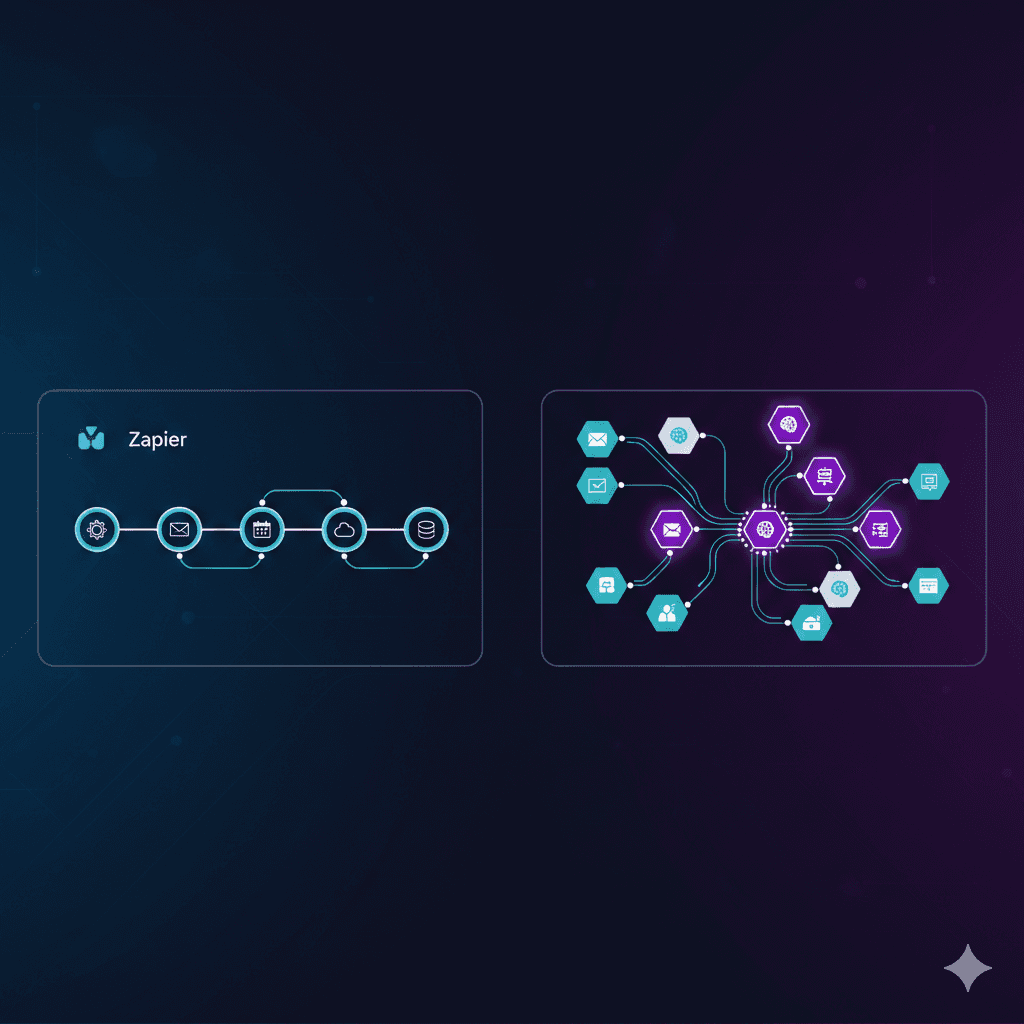
Two years ago, automation meant rules engines and brittle integrations. The 2026 landscape is different — agent reasoning is reliable enough for production, tool-calling is mature, and per-workflow controls have caught up to what enterprises actually need. AI workflow automation 2026 deployments routinely return 20-plus hours per week per knowledge worker by tackling categories of work that resisted earlier automation entirely.

Here are the five breakthroughs driving the gains and how to put each to work.

1. Agentic Decomposition of Ambiguous Requests

1. Agentic Decomposition of Ambiguous Requests

The biggest single shift is that agents now handle requests phrased in natural language without rigid templates. "Pull last quarter's churn data, segment by tier, and draft talking points for the board deck" used to require an analyst. In 2026, an agent decomposes the request, executes the steps, and delivers a draft — with the analyst reviewing rather than building. Hours reclaimed weekly: 4 to 6.

2. Multi-Step Tool Use with Reliable Recovery

Agents can now string together five, ten, or twenty tool calls — read CRM, query data warehouse, draft outreach, schedule follow-up — with reliable recovery from intermediate failures. The reliability threshold crossed a critical line in 2025; production deployments stopped requiring constant supervision.

3. Long-Context Synthesis Across Document Sets

Million-token contexts and impro

Share Blog

Consent Preferences Consent Preferences Do Not Sell or Share My Personal information Limit the Use Of My Sensitive Personal Information


