In the rapidly evolving landscape of business technology, AI flexibility in workflow automation is becoming crucial for organizations aiming to stay competitive. The rigidity of traditional systems often stifles innovation and agility, forcing businesses to adapt their processes to fit the software rather than the other way around. This not only hampers productivity but can also lead to significant operational inefficiencies. By embracing AI-powered flexible automation solutions, companies can unlock new levels of efficiency and adaptability, ensuring they remain ahead of the curve in 2026 and beyond.
What is AI Flexibility in Workflow Automation?
AI flexibility in workflow automation refers to the capacity of automated systems to adapt to changing business needs without requiring extensive reprogramming or restructuring. In 2026, this concept is paramount as businesses increasingly rely on agile methodologies to respond to market changes swiftly. The flexibility offered by AI allows organizations to modify workflows and integrate new processes seamlessly, reducing downtime and maintaining productivity. A common misconception is that AI automation systems are inherently rigid; however, modern platforms like Innflow are designed to be as dynamic as the businesses they serve.
Why AI Flexibility Matters in 2026
As technology continues to evolve, the demand for adaptable solutions grows. Businesses are no longer static entities; they are dynamic organisms that must evolve continuously. AI flexibility in workflow automation is no longer a luxury but a necessity. Companies that fail to adopt flexible systems risk being outpaced by more agile competitors. For example, a study by McKinsey highlighted that organizations leveraging AI-driven flexible workflows saw a 30% improvement in operational efficiency. This adaptability not only reduces costs but also enhances innovation, allowing businesses to explore new revenue streams.
Overcoming Traditional Workflow Challenges
Traditional automation systems often require significant time and resources to adapt to new business processes. This lack of flexibility can lead to bottlenecks and inefficiencies. AI-driven platforms, however, provide the agility needed to overcome these challenges by enabling seamless integration and modification of workflows.
How AI Flexibility Transforms Industries
In industries such as manufacturing, healthcare, and finance, AI flexibility is transforming operations by providing more customizable and responsive workflow solutions. In manufacturing, for example, AI-powered systems can dynamically adjust production lines in response to supply chain changes, reducing waste and optimizing output. Similarly, in healthcare, AI flexibility allows for the rapid adaptation of patient care protocols in response to new medical research or regulatory changes.
Practical Applications and Case Studies
Manufacturing: Automation systems adjust to real-time data, optimizing production and reducing downtime.
Healthcare: AI-driven processes update treatment plans based on the latest patient data and research findings.
Finance: Dynamic risk assessment models adjust to market fluctuations, enhancing decision-making accuracy.
Step-by-Step Guide to Implementing AI Flexibility
Identify Key Workflows: Start by mapping out the workflows that would benefit most from increased flexibility.
Select the Right Platform: Choose an AI automation platform like Innflow that offers robust integration capabilities and adaptability.
Customize Workflows: Use the platform's tools to tailor workflows to your specific needs, ensuring they can be easily modified as requirements change.
Test and Iterate: Run pilot tests to identify potential improvements and iteratively refine the workflows for optimal performance.
Monitor and Optimize: Continuously monitor workflow performance and leverage AI analytics to drive further enhancements.
Innflow's Unique Solution for AI Flexibility
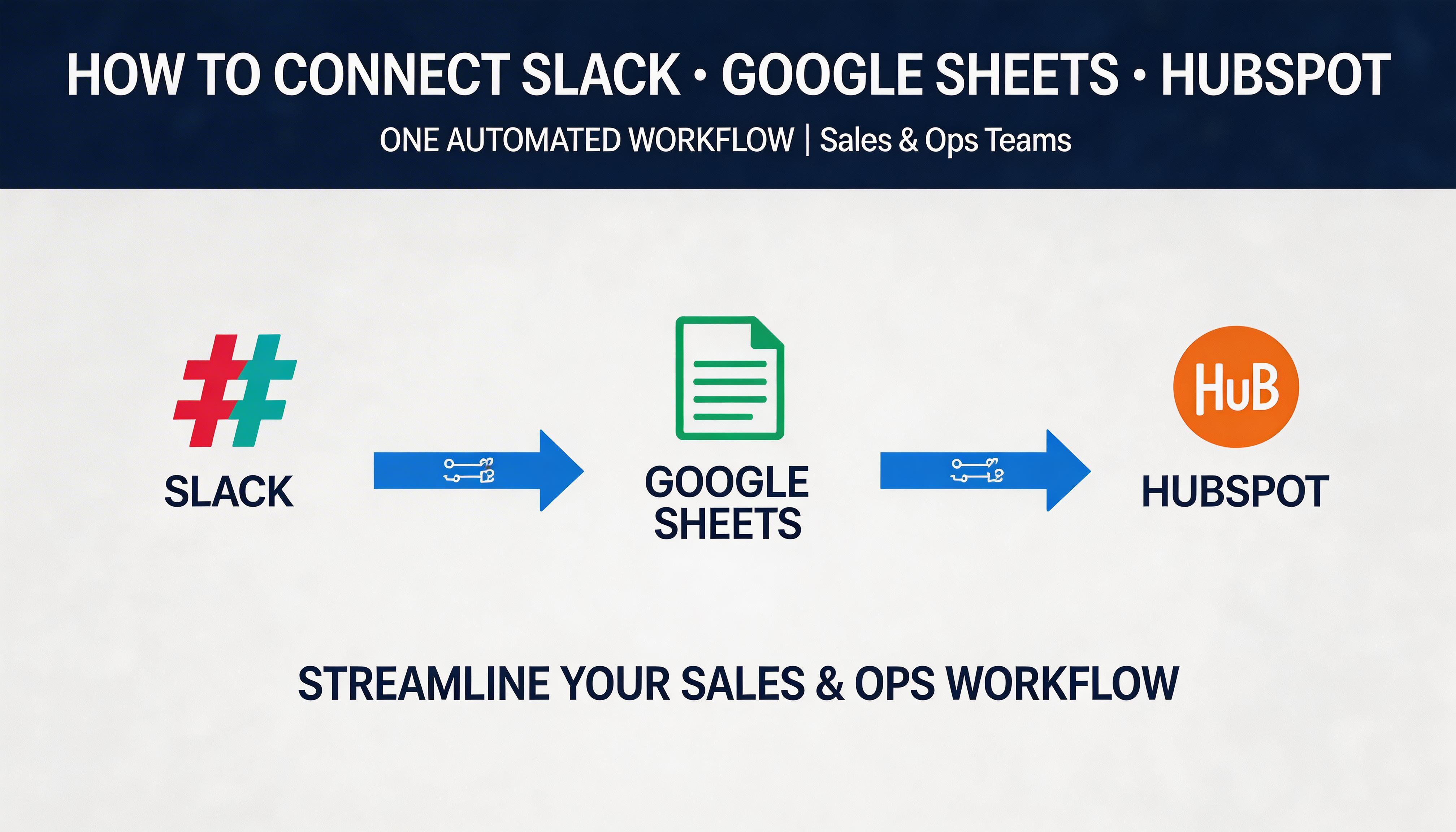
Innflow offers a distinctive approach to AI flexibility in workflow automation, providing tools that allow businesses to effortlessly adapt their processes. With features such as intuitive drag-and-drop interfaces and seamless integrations with popular business apps, Innflow ensures that your workflows can evolve as your business does. Compared to competitors, Innflow's competitive edge lies in its ease of use and the speed at which users can implement changes without technical expertise.
Ready to revolutionize your business processes? Try Innflow today and experience the next level of AI-driven workflow automation.
FAQ
What is AI flexibility in workflow automation? It's the ability of automation systems to adapt to changing business needs without needing significant restructuring.
How can AI flexibility benefit my business? It allows for greater agility, reducing operational inefficiencies and enhancing innovation.
Is Innflow suitable for small businesses? Absolutely, Innflow is designed to cater to businesses of all sizes, offering scalable solutions that grow with your needs.
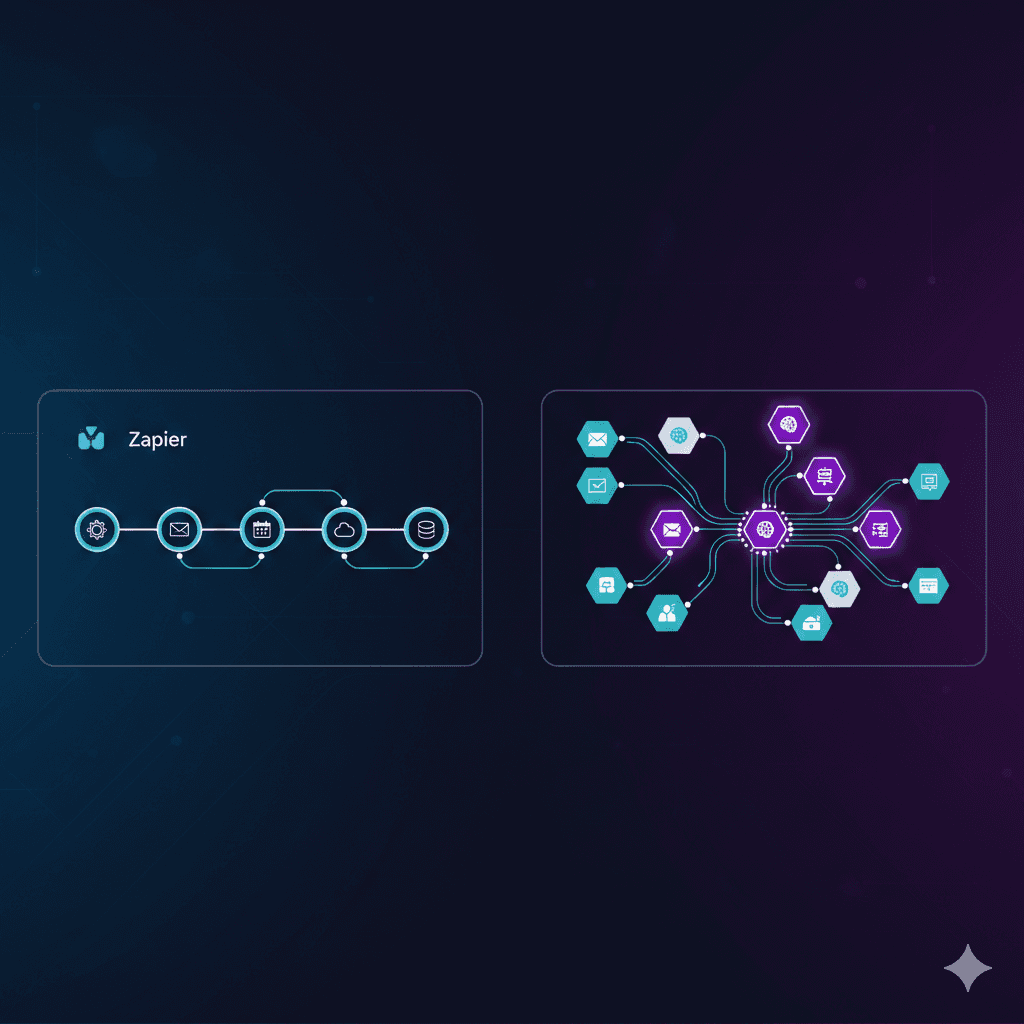
How does Innflow compare to other platforms like Zapier? Innflow offers more intuitive interfaces and faster adaptability, making it a preferred choice for businesses seeking flexibility.
Can I integrate Innflow with my existing systems? Yes, Innflow supports seamless integration with a wide range of popular business applications.
Conclusion
In conclusion, embracing AI flexibility in workflow automation is essential for businesses aiming to thrive in 2026's fast-paced environment. By adopting platforms like Innflow, organizations can ensure their workflows are not only efficient but also adaptable to future challenges. Don't get left behind—explore how Innflow can transform your business operations today.