Sales Reps Spend Two Thirds of Their Day Not Selling
Mid-market sales studies consistently show reps spending 60-70% of their day on research, data entry, follow-up emails, scheduling, and CRM hygiene. leaving roughly two productive selling hours per day. AI sales automation targets exactly this non-selling work, returning hours to the rep and letting the same headcount produce two to three times the pipeline. This guide walks through the six highest-impact tasks to automate first.
It's written for sales leaders who are AI-curious but haven't yet deployed at scale.
The Six Tasks Worth Automating First
1. Pre-Call Account Research
Reps shouldn't be spending 20 minutes per meeting pulling together a company brief from LinkedIn, the customer's website, and recent news. An AI agent can produce a structured pre-call brief. recent funding, leadership changes, relevant case studies, likely talking points. in seconds, delivered to the rep's calendar entry the morning of the call.
2. Lead Enrichment and Scoring
Inbound leads arrive with minimal information. AI enrichment fills in firmographics, technographics, and intent signals automatically, then scores the lead against your ICP. Reps stop wasting hours qualifying obvious bad fits.
3. Personalized Outbound Sequencing
The trade-off between personalization and volume is real. but AI sales automation lets reps run hundreds of personalized sequences without writing each one by hand. The agent drafts the message using the prospect's role, recent posts, and your value prop; the rep reviews and sends.
4. Meeting Notes and CRM Updates
Post-meeting CRM hygiene is the most-skipped step in sales process. An AI agent that listens to the call, extracts decisions and action items, and updates the CRM automatically restores data quality without adding rep work.
5. Follow-Up Cadence Management
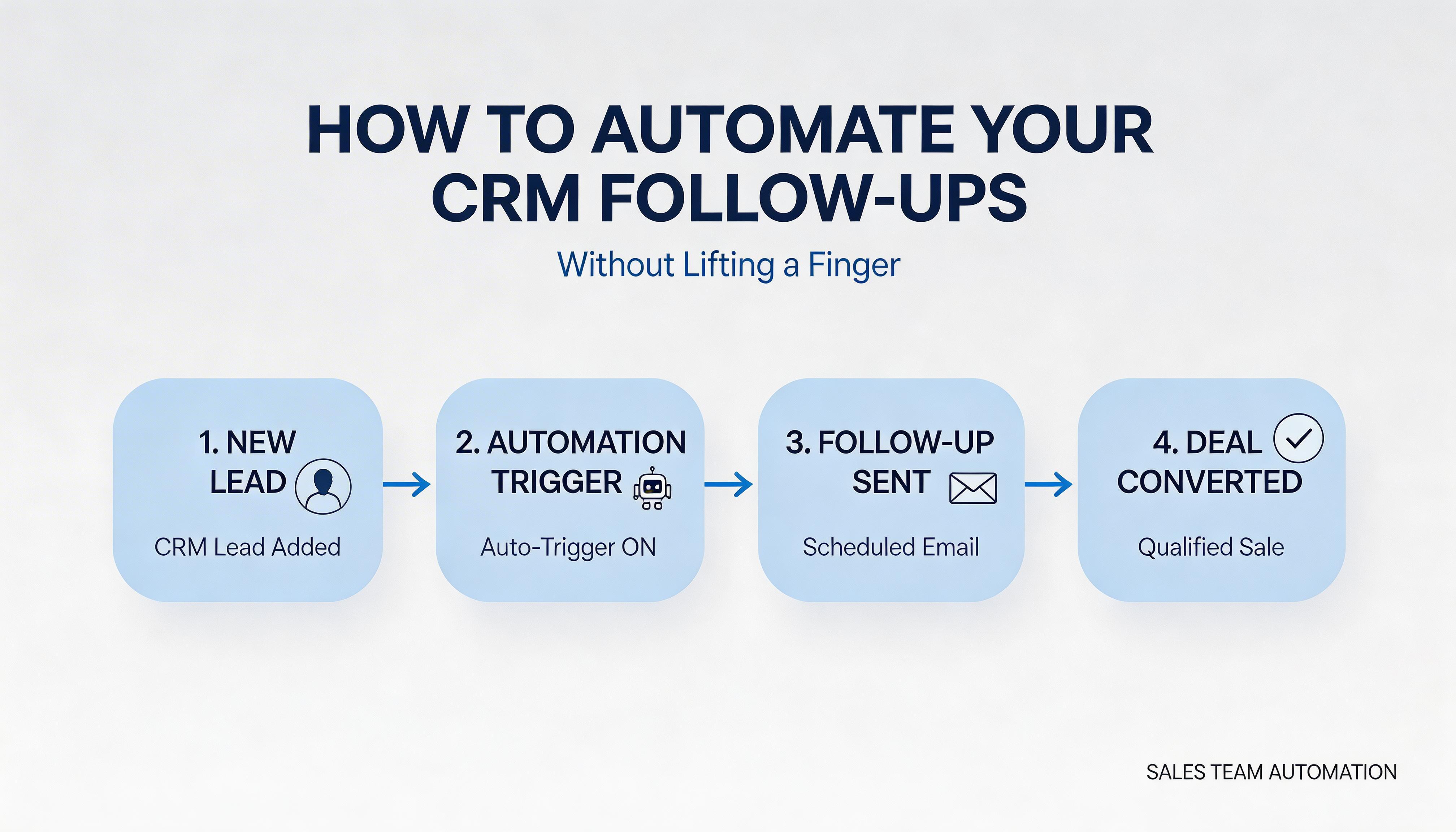
Follow-up after a discovery call is where most deals are lost. not because the deal was bad but because the cadence slipped. AI agents can manage the follow-up sequence, surface deals going cold, and draft the right message at the right time.
6. Pipeline Hygiene and Forecast Accuracy
Stale opportunities, missing close dates, and inconsistent stage definitions wreck forecasts. AI agents can audit the pipeline continuously, surface anomalies, and prompt reps for updates with the specific information that's missing.
How These Six Combine to Triple Pipeline
The 3x pipeline number isn't from any single workflow. it's the compound effect:
Reps reclaim 15-20 hours per week of non-selling time
Outbound volume per rep doubles or triples without quality loss
Lead-to-opportunity conversion rises because qualification is sharper
Forecast accuracy improves, which keeps deals from slipping
Manager time shifts from coaching on hygiene to coaching on strategy
Pipeline growth shows up within 60-90 days; the bigger gains compound through the second and third quarters as reps internalize the new workflows.
Implementation Sequence for Beginners
Don't deploy all six at once. The proven sequence:
Weeks 1-3: Pre-call research. Easiest win, highest rep love.
Weeks 4-6: Meeting notes and CRM updates. Restores data quality.
Weeks 7-9: Lead enrichment and scoring. Improves rep prioritization.
Weeks 10-12: Personalized outbound sequencing. Volume jumps.
Quarter 2: Follow-up cadence and pipeline hygiene workflows.
The sequence matters because each step builds the data foundation the next one needs.
What to Watch For
Three failure modes are common in early AI sales automation deployments. Reps that don't trust the AI's output will revert to manual work. invest in showing the data behind each recommendation. AI-generated outbound that sounds robotic damages brand. invest in tuning voice and reviewing samples. Pipeline hygiene workflows that flag too aggressively get ignored. calibrate thresholds with the rep team.
Frequently Asked Questions
Will AI sales automation replace our SDRs?
No. it makes them dramatically more productive. The teams that get the biggest wins keep human SDRs and use AI to expand their effective capacity, not replace them.
How long until we see pipeline impact?
Activity metrics shift in week one. Pipeline coverage improvements typically appear within 60 days. Closed-won impact follows the deal cycle of your business.
Do we need to change our CRM?
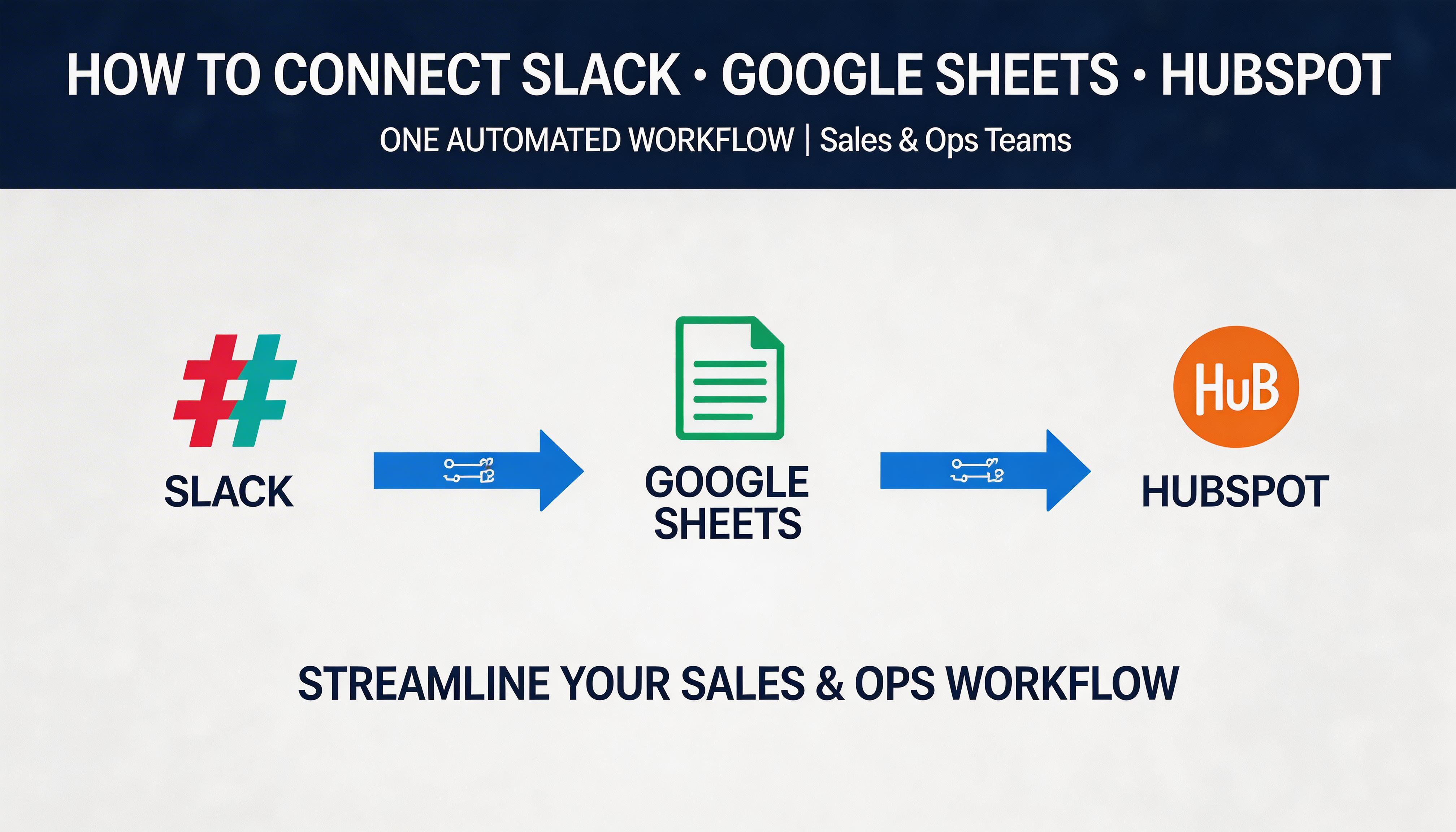
No. Modern AI sales automation works with Salesforce, HubSpot, Pipedrive, and other major CRMs through native integrations. Migration is rarely necessary.
How does Innflow support AI sales automation rollouts?
Innflow provides templates for each of the six workflows above, native CRM and email integrations, and the human-in-the-loop controls sales leaders need to deploy with confidence and prove pipeline impact.