Every SMB Has the Same Ops Bottleneck. Just Different Symptoms
The ops bottleneck at an SMB is the team that everything routes through. Sales escalations, customer issues, system fixes, vendor problems, internal questions. the ops team becomes the human bus. AI operations bottleneck is the right frame because the problem isn't capacity, it's serial throughput: too many things waiting for one team's attention.
Five AI workflows consistently break that bottleneck and reclaim 20+ hours per week.
1. Inbound Routing With Context
Most ops bottlenecks start at the inbox. Every team funnels questions there because they don't know who else to ask. An AI workflow reading each inbound, identifying the actual owner, and routing with context (history, recent activity, suggested response) collapses ops into a much smaller decision pool.
Hours reclaimed: 6-8 per week. The bigger benefit: ops becomes the escalation point, not the first responder.
2. Standing Question Resolver
"How do we handle this kind of refund?" "What's the SLA on incident X?" "Who owns project Y?" These questions consume hours of ops time because every asker treats the question as new. An AI workflow with read access to your SOPs, decision logs, and recent communications resolves most of them in seconds, with citations.
Hours reclaimed: 4-6 per week. The compounding benefit: institutional knowledge becomes searchable rather than locked in three people's heads.
3. Cross-System Status and Audit
Ops teams routinely answer "what's the state of X" by checking five tools. An AI workflow can produce that answer on demand. billing state, support history, recent incidents, contract terms. synthesized into a single readable response. Time per question drops from 15 minutes to 30 seconds.
Hours reclaimed: 4-5 per week. Faster decisions everywhere downstream.
4. Exception Handling on Existing Automations
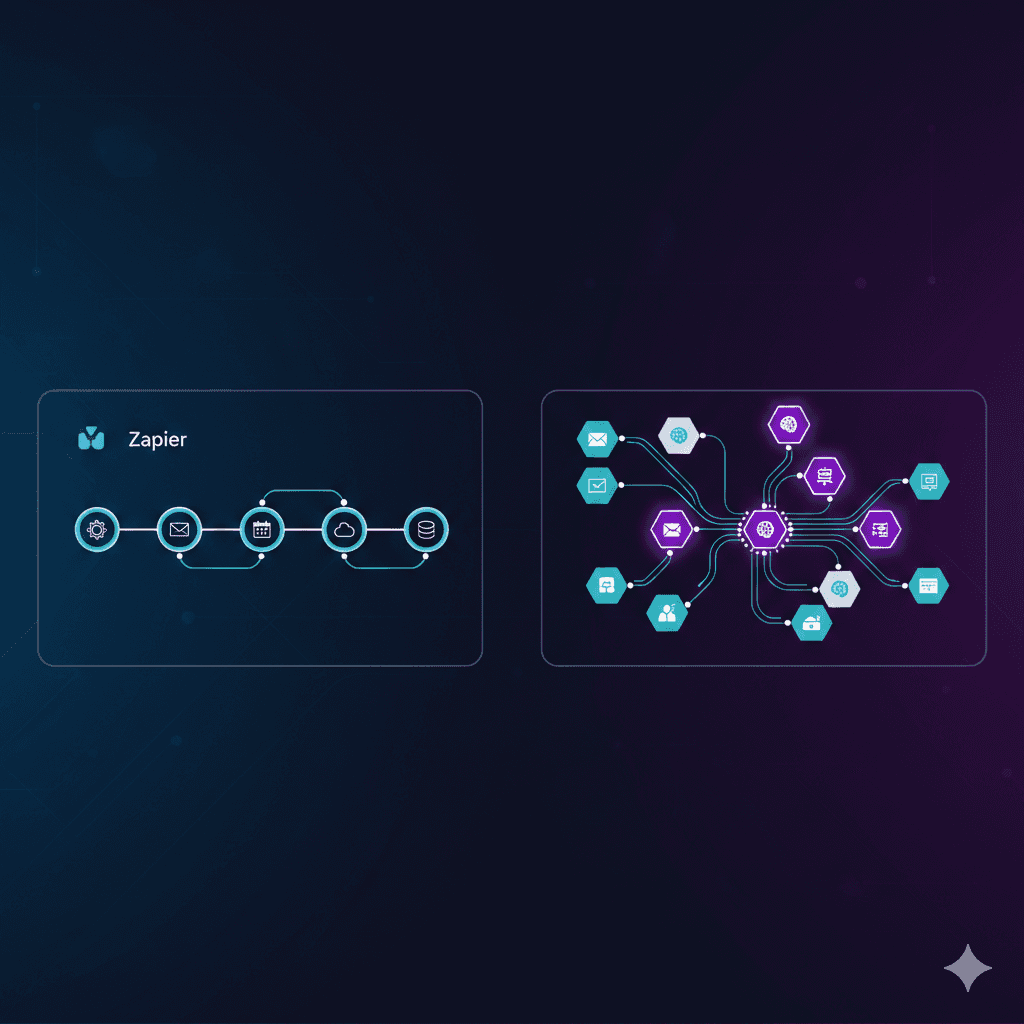
Every SMB ops team accumulates Zaps, Make scenarios, and scripts that work most of the time and fail badly when they don't. The exceptions land on ops. An AI workflow that watches the existing automations, interprets failures, and either resolves them or routes them with full briefing turns the most chaotic part of ops into a manageable queue.
Hours reclaimed: 3-5 per week. The qualitative benefit is even larger. fewer mid-day fire drills.
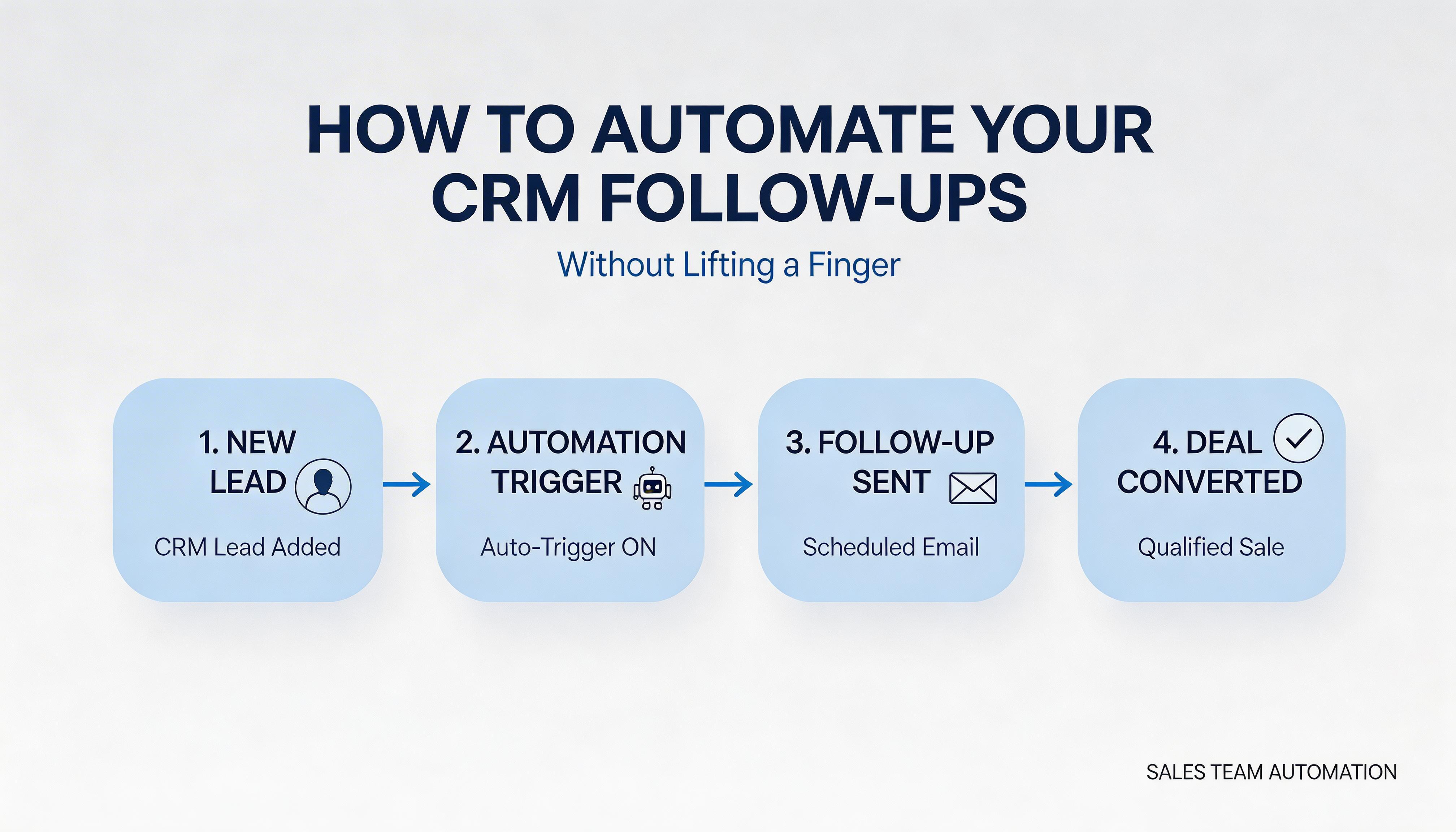
5. Vendor and Customer Follow-Up Automation
Ops teams hold a lot of follow-up debt. vendors who haven't responded, customers waiting on something, internal teams that owe an update. An AI workflow that tracks open threads, generates the right follow-up at the right cadence, and surfaces only the cases needing human escalation cuts this category dramatically.
Hours reclaimed: 3-4 per week. Plus measurable improvement in close rates and vendor responsiveness.
The 20-Hour Math for a 6-Person Ops Team
Add the conservative numbers: 20-28 hours per week reclaimed across the team. Per person, that's 3-5 hours of weekly capacity returned. enough to take on the strategic work that always gets pushed off because firefighting consumes the day.
And the firefighting itself decreases as the workflows compound: cleaner data, faster routing, fewer surprises.
Why "Bottleneck" Is the Right Mental Model
Adding headcount to a serial-throughput bottleneck rarely helps proportionally. the new person becomes another node in the bus. The five workflows above don't add capacity to ops; they remove demands from ops by handling the routine cases and routing the rest with context. That's the structural fix.
Implementation Path
Weeks 1-2: Inbound routing. Highest-volume bottleneck, fastest payback.
Weeks 3-4: Standing question resolver. Compounds across departments.
Weeks 5-6: Cross-system status. Improves every downstream decision.
Weeks 7-8: Exception handling. Stabilizes the existing automation stack.
Quarter 2: Follow-up automation. Builds on the data plumbing of earlier phases.
What to Measure
Median time-to-respond on routed inbound. Should drop dramatically.
Percentage of questions resolved without ops involvement. Target 60%+ within 90 days.
Ops team self-report on weekly workload. Validates the time savings.
Downstream impact metrics. close rates, customer satisfaction, incident counts.
What to Avoid
Routing without context. A pinged human still has to research the case. Routing with context is the win.
Removing ops from the escalation path. The goal is to reduce volume, not eliminate human judgment.
One platform per workflow. Tool sprawl recreates the bottleneck inside the automation layer.
Skipping the maintenance plan. Workflows decay. Assign owners and review monthly.
Frequently Asked Questions
What size ops team benefits most?
The patterns above scale linearly. A two-person team gets back 7-10 hours/week; a ten-person team gets back 30-40 hours/week.
Can we deploy these without engineering help?
Yes. Modern AI workflow platforms are built for ops-led builders. Engineering helps for custom integrations but isn't required for the core patterns.
How fast does the bottleneck actually break?
The first workflow (inbound routing) typically shows measurable improvement within two weeks. Cumulative impact compounds across the first quarter.
How does Innflow support solving the AI operations bottleneck?
Innflow ships templates for the five workflows above, native integrations with the tools SMB ops teams already use, and the observability that proves the bottleneck is actually breaking. not just shifting.