Founder Time Is the Most Expensive Time on the Cap Table
The first 50 hires usually run lean enough that the founder is still doing the operational glue. drafting investor updates, triaging inbound, coordinating across tools, summarizing meetings. AI copilot tips matter most here because every hour reclaimed has compounding value: it's an hour that goes back into selling, building, or recruiting. The seven patterns below are what high-leverage founders are using to cut busywork by half.
None of these require an engineering team. All seven can be deployed in a working week.
1. Draft Mode for Every Recurring Communication
Investor updates, customer renewals, partner check-ins, weekly team notes. anything that recurs. Configure your copilot to draft each one automatically using the latest data from your CRM, product analytics, and finance tools. You edit, sign, send.
Time returned: 4-6 hours per week. The compounding benefit is fewer "I should send that" tasks haunting your todo list.
2. Inbox Triage With Strict Categorization
Most founders' inboxes blend noise, time-sensitive deals, and recruiting threads. Set up a copilot to categorize incoming mail into a small fixed taxonomy. investor, customer, recruiting, vendor, internal, noise. and surface only the top two categories during work blocks. Process the rest in a single batch later.
Time returned: 3-5 hours per week. The bigger win is fewer context switches across the day.
3. Meeting Pre-Reads That Build Themselves
Every customer meeting, investor call, or candidate interview deserves a pre-read. Configure your copilot to assemble one automatically from CRM notes, product usage, prior emails, LinkedIn, and any other relevant signals. delivered 30 minutes before the meeting.
Time returned: 2-3 hours per week. The qualitative impact on meeting quality is even larger.
4. Post-Meeting Action Capture and Follow-Up
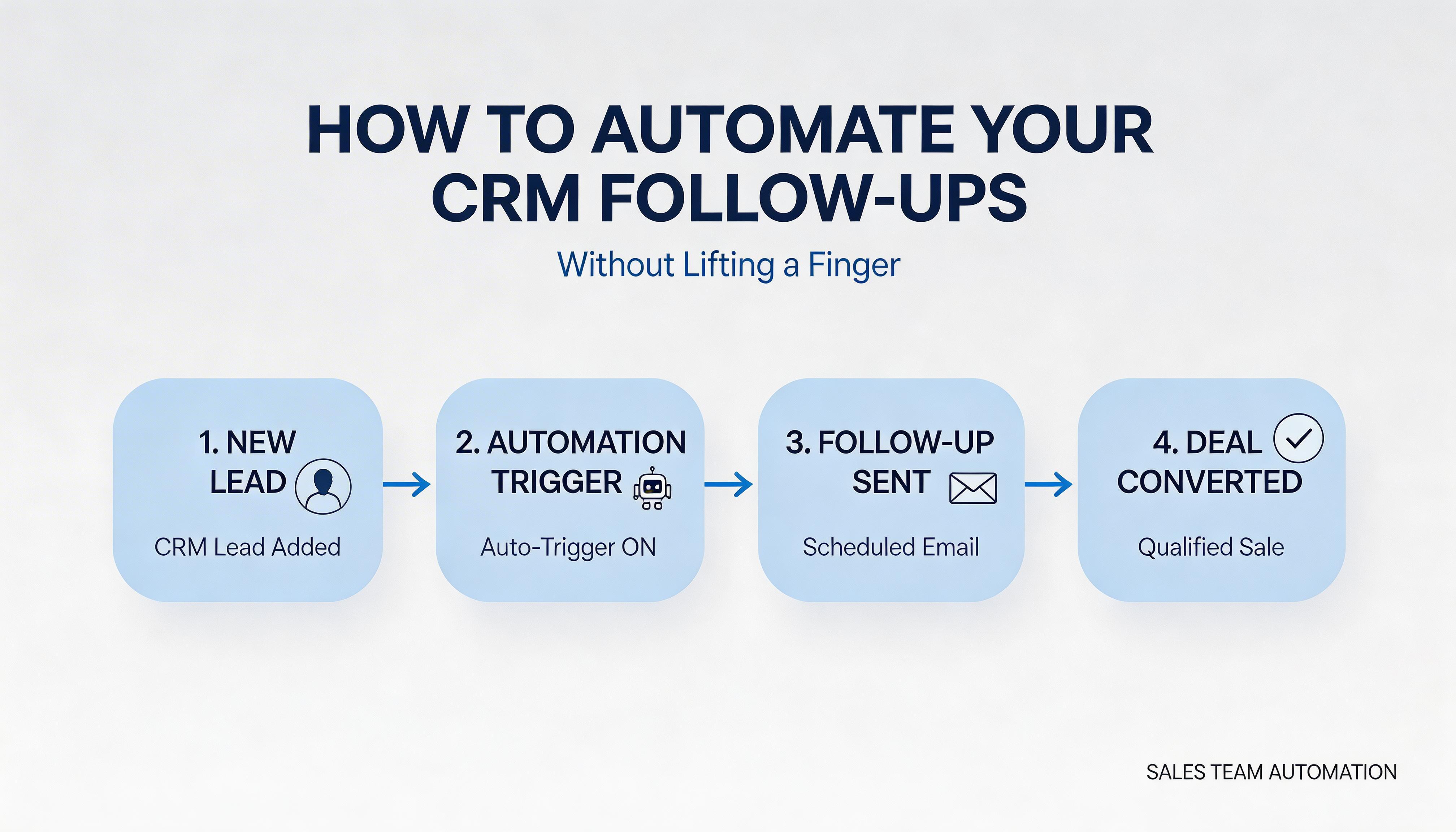
The follow-up email is where deals die. Set your copilot to listen to the meeting (or read the recording), draft the recap and action items, route them to the right owner, and schedule any follow-up tasks. You approve and send.
Time returned: 3-4 hours per week. Conversion impact on the deals that would have died is harder to measure but consistently meaningful.
5. Investor Update Pipeline as Code
Stop drafting updates from scratch. The copilot pulls KPIs from your data sources, drafts the narrative based on the prior month's update, flags anomalies for your review, and produces a near-final draft. Your job is judgment, not assembly.
Time returned: 4-6 hours per month, but the real payoff is consistency. investors notice when updates are reliable and well-formatted.
6. Knowledge Capture Without Discipline
Most founders intend to keep a clean wiki. Almost none do. The copilot pattern: it watches your Slack, email, and meeting notes, and proposes wiki entries when it detects new decisions, processes, or patterns. You approve. The institutional knowledge accumulates without dedicated effort.
Time returned: 2 hours per week directly, more in onboarding leverage as the company grows.
7. Strategic Question Companion
The hardest founder hours are the ones spent thinking through hard decisions alone. A copilot configured with your business context, financials, and strategic frame can be a useful sparring partner. not for the answer, but for surfacing considerations and stress-testing your reasoning.
Time returned: hard to quantify, but the quality-of-thinking improvement matters more than the hours.
The 50% Number Is Not Marketing
Add up the conservative estimates: 18-26 hours per week reclaimed across the seven patterns. For a founder working 60-hour weeks, that's a third of the workweek returned to high-leverage activity. The compounding effect on company velocity is the real story.
Implementation Order
Week 1: Inbox triage and draft mode for top three recurring emails.
Week 2: Meeting pre-reads and post-meeting action capture.
Week 3: Investor update pipeline.
Week 4: Knowledge capture and strategic question companion.
What to Avoid
Letting the copilot send without review. Keep humans in the loop on anything customer- or investor-facing for at least the first 90 days.
Spreading across five different tools. One platform that handles all seven patterns reduces cognitive load and tool sprawl.
Skipping the data plumbing. A copilot is only as good as the context it has access to. Invest in connections to your CRM, calendar, and product analytics early.
Frequently Asked Questions
Do I need to be technical to set this up?
No. modern copilot platforms are designed for non-engineers. You'll need a few hours per pattern in week one.
Will my team know I'm using AI on their messages?
Be transparent. Most founders disclose that recap emails are AI-drafted, founder-edited. Trust comes from the editing, not from concealment.
Which copilot is best?
The right answer depends on your stack. Pick a platform that integrates with your CRM, email, and meeting tools without custom engineering.
How does Innflow support these AI copilot tips?
Innflow lets founders ship all seven copilot patterns above on a single platform, with native integrations to the tools they already use and the observability to keep the copilots working as the business changes.