























































































































































Product & Platform

Why Multi-Domain RAG Systems Matter Now

Multi-domain RAG systems are reshaping enterprise AI in 2026. Five wins CTOs are seeing — sharper retrieval, better grounding, and lower hallucination rates.

Why Multi-Domain RAG Systems Matter Now

Product & Platform

Table of Content

Single-Index RAG Has Hit Its Ceiling

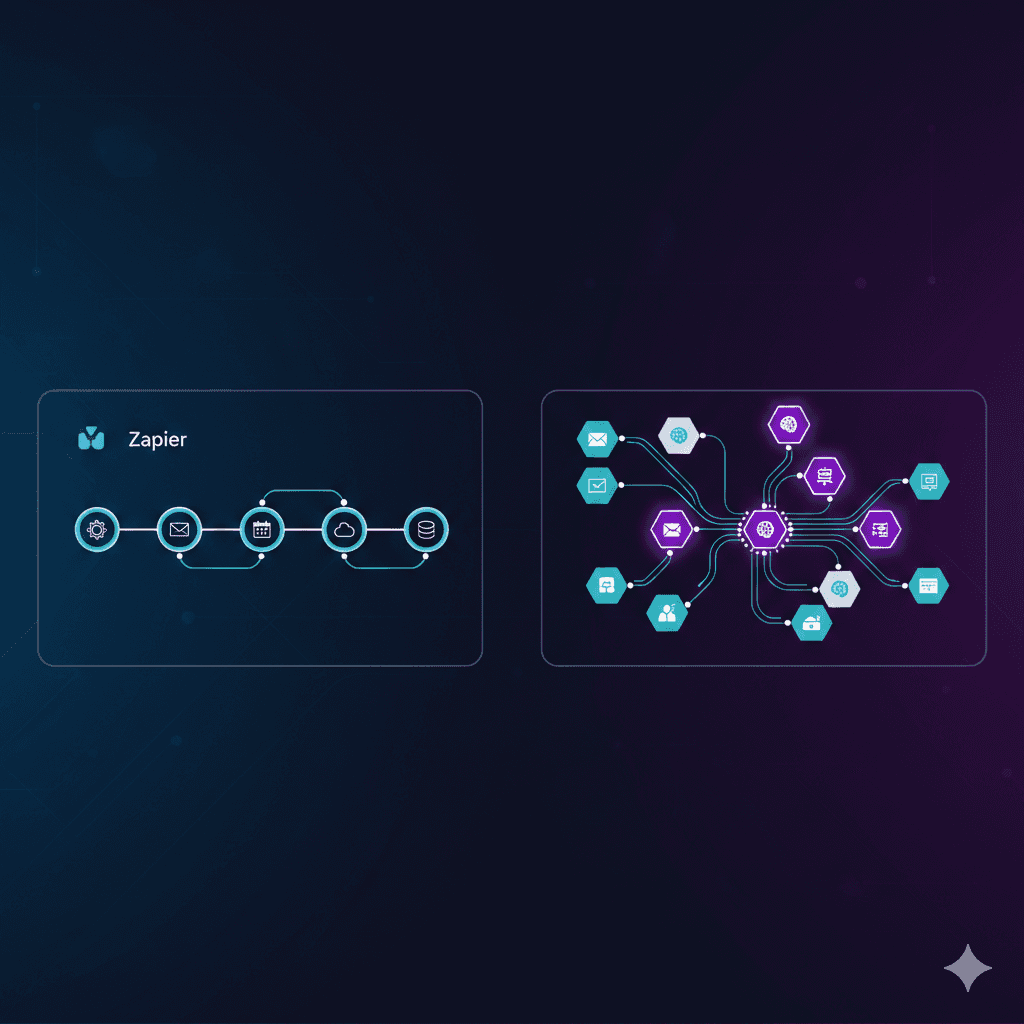
The first wave of retrieval-augmented generation pushed every document into one vector index and called it a knowledge system. By late 2025, the limits of that approach were obvious: cross-domain retrieval was noisy, citation quality degraded, and answers blended unrelated contexts in ways that eroded trust. Multi-domain RAG systems — architectures that maintain distinct, governed retrieval domains and route queries intelligently across them — are the practical answer, and they're producing measurable wins for AI teams in 2026.

Here are the five gains CTOs are reporting most often.

The Five Wins, Concretely

1. Retrieval Precision Climbs Sharply

When a query is routed to the right domain — engineering docs, customer contracts, internal policy, product data — the top-k results are dramatically more relevant than searching one mega-index. Teams report 25-40% improvements in retrieval precision after splitting domains, with the gain showing up immediately in answer quality.

2. Hallucination Rates Drop

Hallucinations rise when retrieved context is partially relevant but ultimately wrong. Multi-domain RAG with proper routing surfaces fewer "almost right" passages, which reduces the model's drift toward plausible-sounding but inaccurate answers. Production deployments report 30-50% drops in measured hallucination rates after restructuring around domains.

3. Per-Domain Governance Becomes Possible

Single-index RAG forc

Share Blog

Consent Preferences Consent Preferences Do Not Sell or Share My Personal information Limit the Use Of My Sensitive Personal Information